College students juggle an overwhelming number of responsibilities — classes, assignments, clubs, jobs, and social life — all while trying to stay on top of learning. Most students genuinely want to study effectively, but their days are already fragmented by meetings, deadlines, and obligations.In practice, studying doesn’t fail because of motivation — it fails because of planning friction. Students spend so much time deciding what to study that they never fully enter a focused learning state.
Project Description
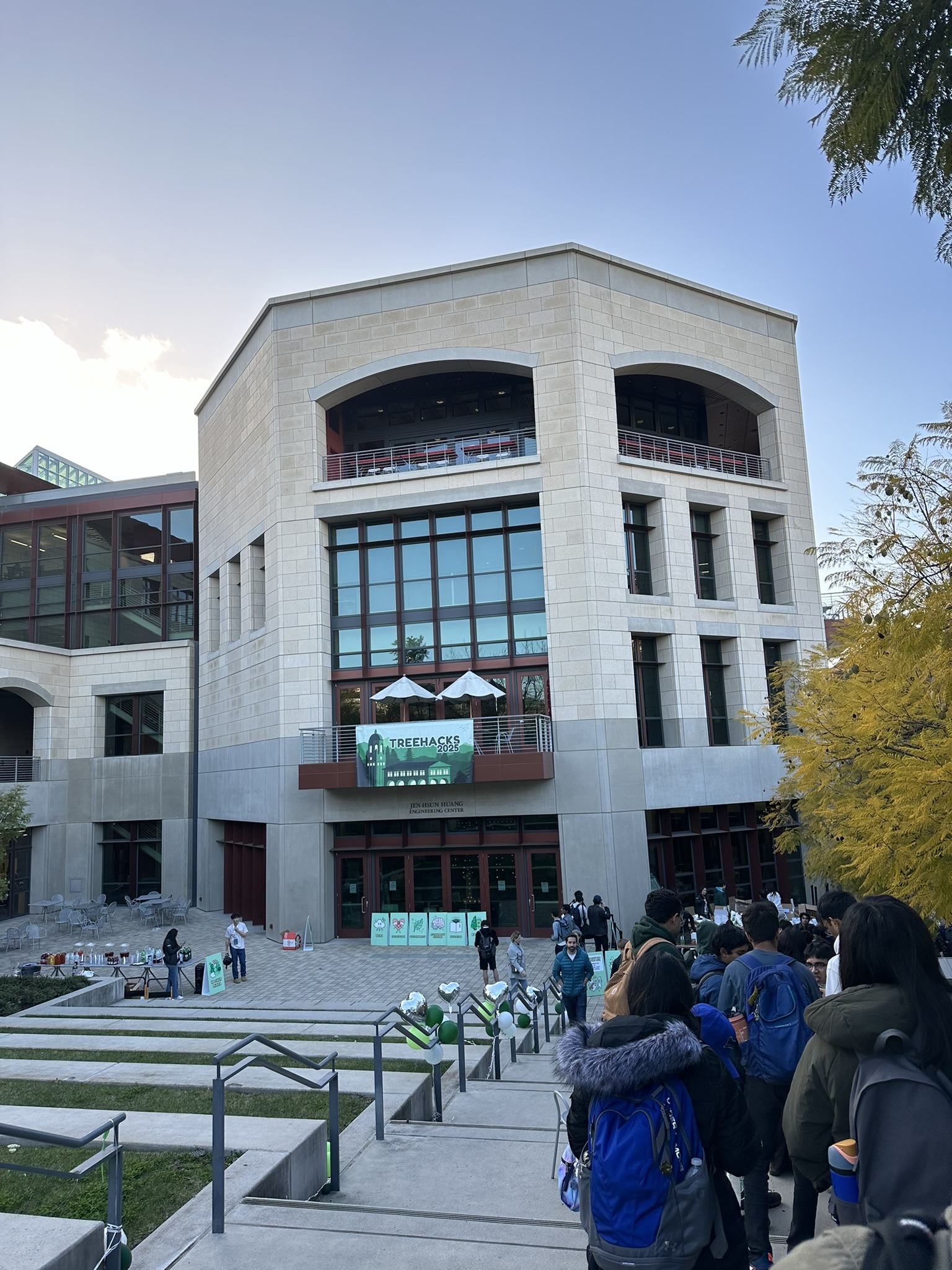
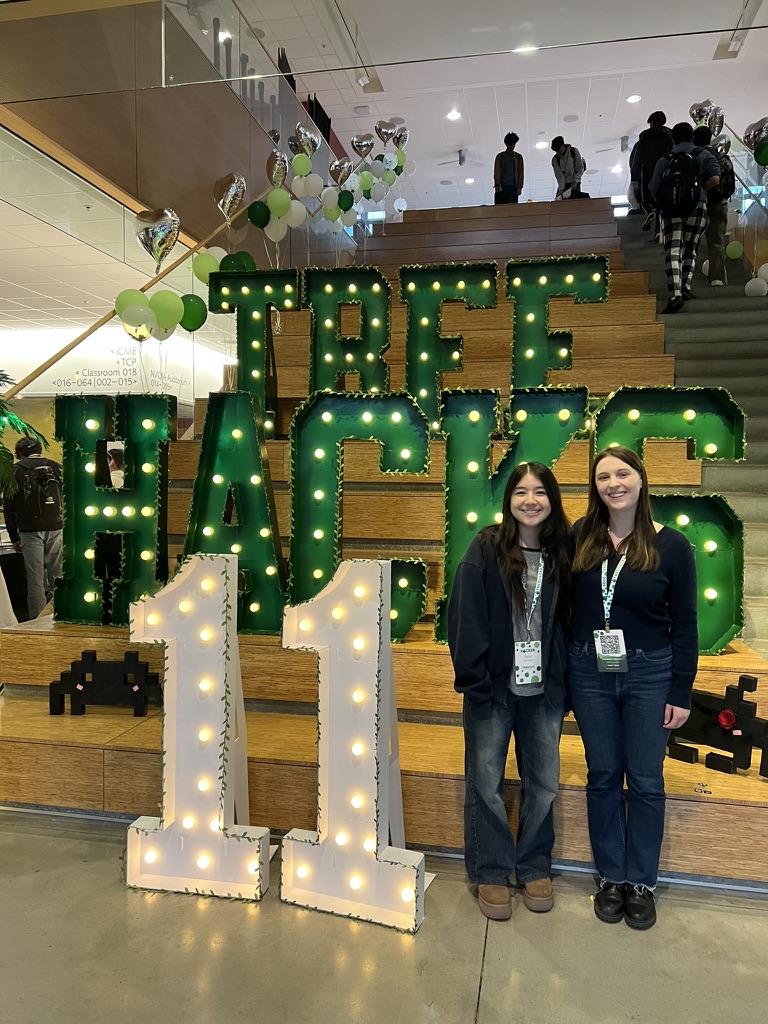
An AI-powered study scheduler that transforms learning science into a personalized, calendar-based study system. Built in 36 hours at TreeHacks to explore how spaced repetition and active recall can be operationalized inside a real student workflow.
Team
Taylor Torres
Role
Product Lead
Product Designer
Product Designer
Duration
February 2025
About
Background
Problem
Students are expected to:
- break courses into topics
- prioritize what matters
- space their studying correctly
- and fit it all into a chaotic calendar
But humans are not good at forecasting their own energy, memory, or time. This leads to cramming, burnout, and avoidance — even when students care deeply about their performance.
Meanwhile, cognitive science already tells us how people learn best:
- spaced repetition
- active recall
- frequent low-stress review
The problem is that these techniques live in theory and flashcard apps, not in the place students actually make decisions: their schedule.
Opportunity
What if students didn't have to plan at all? We saw an opportunity to embed learning science into a system that
- Understands a student's workload
- Adapts to their availability
- Automatically tells them what to study next
Context
Learning Science
Decades of cognitive psychology research show that:
- Spaced repetition improves long-term retention
- Active recall is far more effective than rereading
- Frequent low-pressure review reduces exam anxiety
However, students rarely apply these technqiues because they are difficult to implement without structured planning.
Student Reality
Students already live inside Google Calendar or organization tools such as Notion and Todoist. Every commitment — classes, meetings, practices, deadlines — is already on these platforms.
If learning science could live inside of these organization tools too, then scheduling study time would become a natural part of creating an ideal personal calendar instead of a separate, overwhelming task.
If learning science could live inside of these organization tools too, then scheduling study time would become a natural part of creating an ideal personal calendar instead of a separate, overwhelming task.
Challenge
Students already organize their lives around their calendars — yet the way they learn has never been part of that system. This gap between how people should study and how they actually plan their time became the core design tension behind Buzzy.
.png)
User Persona
We synthesized our research into a primary persona — a composite of high-performing but overextended students — to ground our design decisions in real scheduling and learning behaviors.

Biography
Sophia is a freshman incollege studying Computer Science. She is taking three classes this quarter — CS106C, MATH 24, and PSYCH 5. Outside of coursework, she is a competitive athlete on the Stanford Lacrosse Team and enjoys spending time with friends.
Goals
- Create a study plan for her upcoming exams in CS106C, MATH 24, and PSYCH 5
- Organize her schedule so that she allocates time to school, lacrosse, and spending time with friends
Needs
- Sciece-backed study plan that maximizes long-term content retention and engagement
- Balanced schedule that prioritizes her mental health, wellness, and academic goals
Pain Points
- Struggles to create an effective study plan that adapts to exams, problem sets, and lectures, leading to last-minute cramming
- Juggles multiple commitments (rigorous coursework, lacrosse, social life) and feels overwhelmed trying to balance them all
- Lacks confidence in her study strategies, unsure if she's focusing on the right material or studying efficiently
- Finds it difficult to stay accountable to a self-made study schedule, often procrastinating or deprioritizing review
- Feels stressed by unexpected changes (assignments taking longer than expected, rescheduled practices) that throw off her study plans
Solution
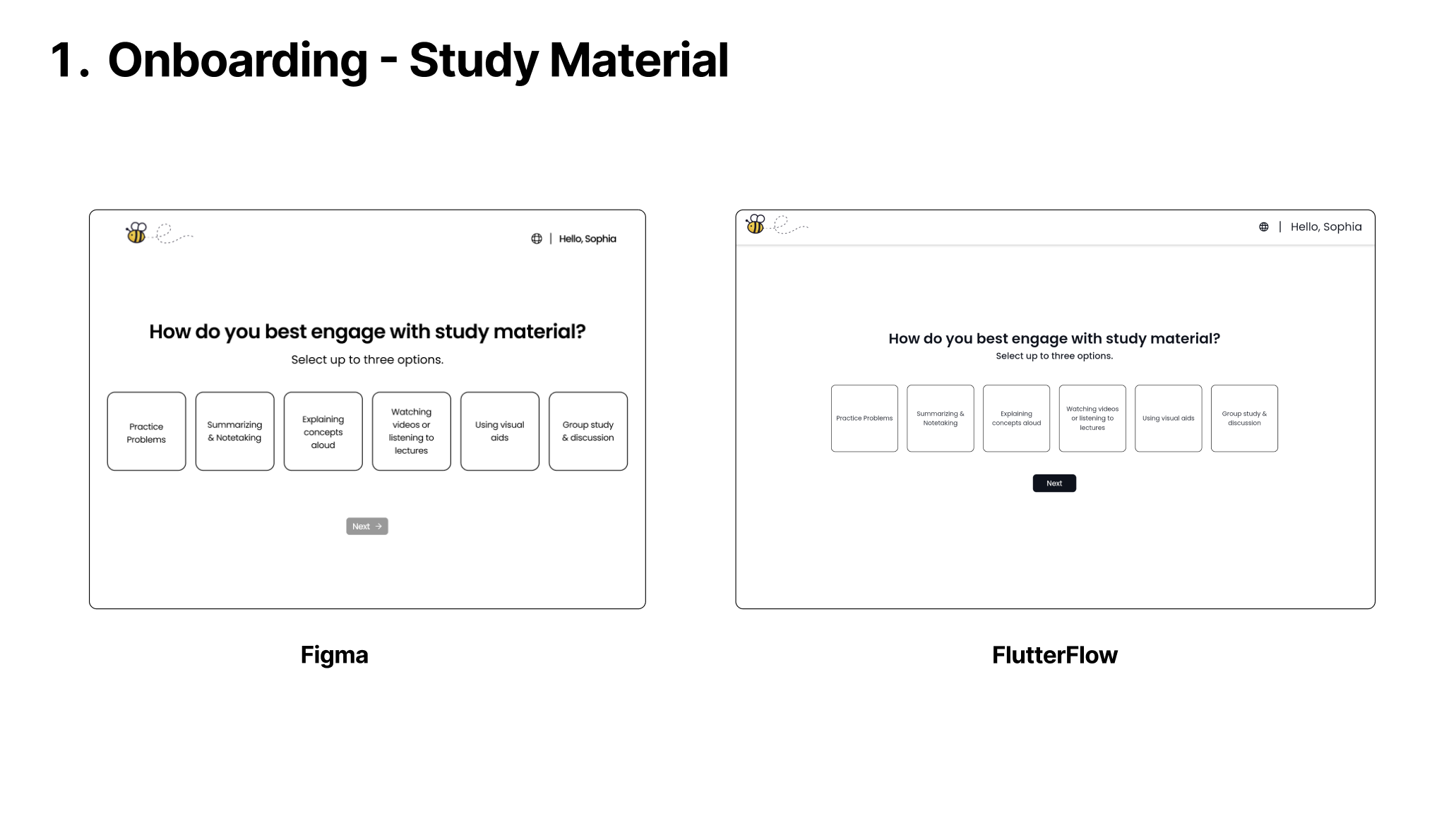
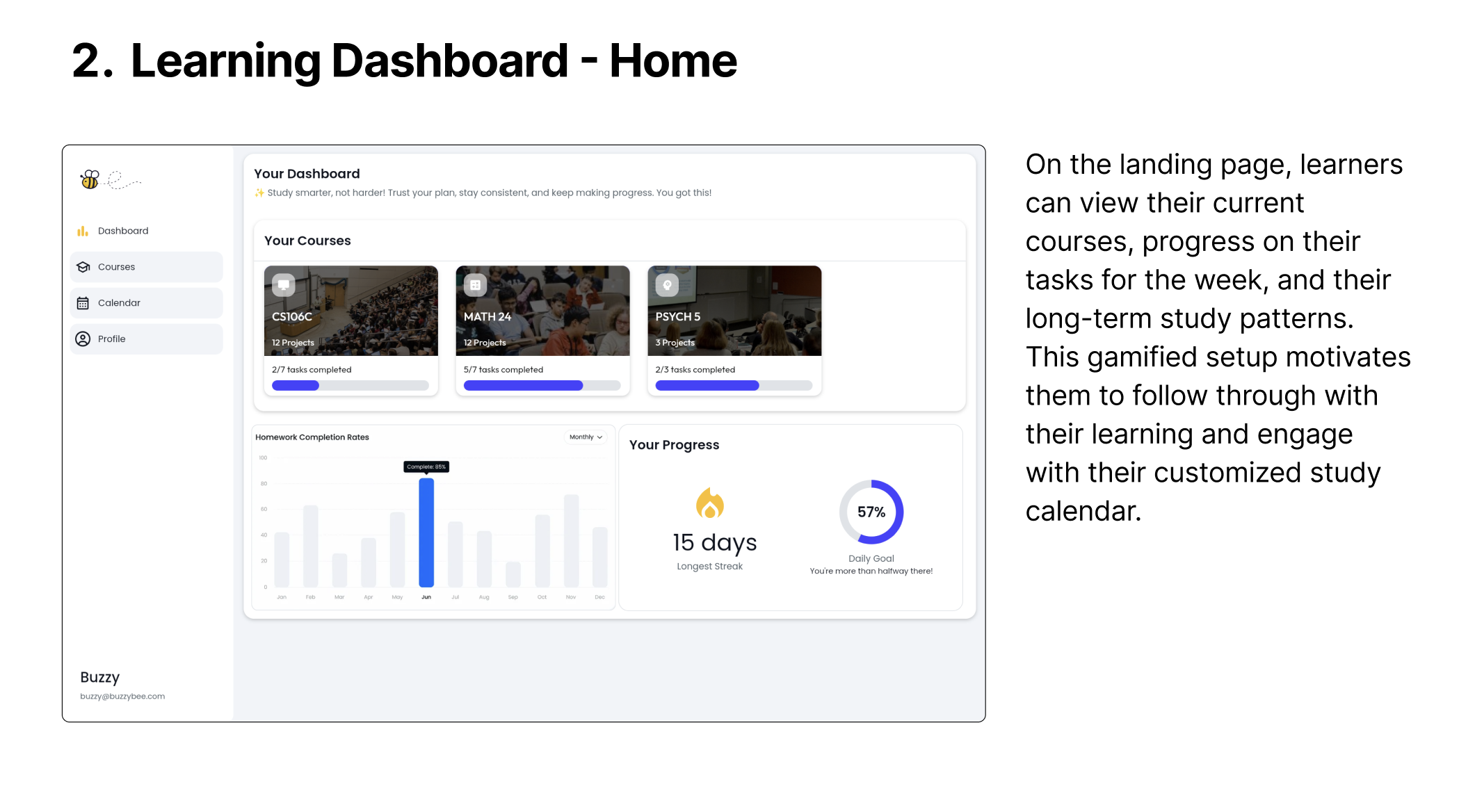
To bring this vision to life within the constraints of a 36-hour hackathon, we built Buzzy around a single, coherent learning loop — from setup to daily action. We mapped how a student moves from entering their academic reality to receiving a personalized, science-backed study schedule, ensuring that every step reduces decision-making rather than adding to it. The following flows show how Buzzy turns student inputs into a structured, calendar-based learning system.
Implementation
To bring this vision to life within the constraints of a 36-hour hackathon, we built Buzzy around a single, coherent learning loop — from setup to daily action. We mapped how a student moves from entering their academic reality to receiving a personalized, science-backed study schedule, ensuring that every step reduces decision-making rather than adding to it. The following flows show how Buzzy turns student inputs into a structured, calendar-based learning system.
Flows





Demo
Reflection
What did I learn working on this project?
Working on Buzzy taught me that the most difficult part of building a meaningful product isn’t designing screens — it’s designing the system behind them. Learning science, user needs, and real-world constraints all had to come together into one coherent flow that actually tells students what to do, not just what they should do. I also experienced first-hand how motivating it is to prototype in a fast-paced, implementation-driven environment. Moving from Figma into FlutterFlow forced us to think about hierarchy, navigation, and data flow early, making the experience feel like a true product sprint with multiple stakeholders — even though we were both the design and engineering teams.
What would I have done differently?
With more time, I would have expanded our early user research beyond persona synthesis into a dedicated user research study and live usability testing, validating how real students respond to automated scheduling. While our primary persona grounded our design decisions, observing students interact with our concept and platform would have sharpened our assumptions and enabled more nuanced personalization.
I also would have prioritized deeper technical integration — especially Google Calendar syncing, OAuth, and live availability scanning — earlier in the sprint. These features were core to our vision for Buzzy but constrained by the 36-hour hackathon scope, and deeper implementation would have allowed us to test the full end-to-end experience.
I also would have prioritized deeper technical integration — especially Google Calendar syncing, OAuth, and live availability scanning — earlier in the sprint. These features were core to our vision for Buzzy but constrained by the 36-hour hackathon scope, and deeper implementation would have allowed us to test the full end-to-end experience.
How has this experience prepared me for my next project?
This project strengthened my ability to design and ship under tight time constraints while maintaining a clear product direction. Working within a 36-hour sprint required rapid prioritization — focusing on the core user problem rather than spreading effort across too many features.
It also developed my ability to work across disciplines, moving between research, interface design, and implementation. Translating learning science and user needs into both UX flows and a working prototype reinforced how important it is to think in terms of complete product systems rather than individual screens.
Most importantly, Buzzy showed me how quickly ideas can be tested and refined when design and implementation move together from the start.